High - Speed Data Transfer: The SN65LV1023ARHBR is capable of facilitating data transfer rates up to a significant level. It can support data rates that are well - suited for applications where large amounts of data need to be transmitted rapidly. In modern systems, such as high - definition video transmission or high - speed data acquisition systems, this high - speed capability ensures seamless and timely data transfer.
Low Power Consumption: One of the notable features of this transceiver is its low power consumption. This is crucial, especially in battery - powered or energy - conscious applications. By consuming less power, it not only helps in extending the battery life of portable devices but also reduces the overall power requirements of larger systems, contributing to energy efficiency and cost - savings.
Excellent Noise Immunity: LVDS technology inherently provides good noise immunity, and the SN65LV1023ARHBR is no exception. It can operate effectively in noisy electromagnetic environments. In industrial settings, where there may be a lot of electrical interference from motors, generators, or other machinery, this transceiver can maintain accurate data transmission without significant errors due to noise.
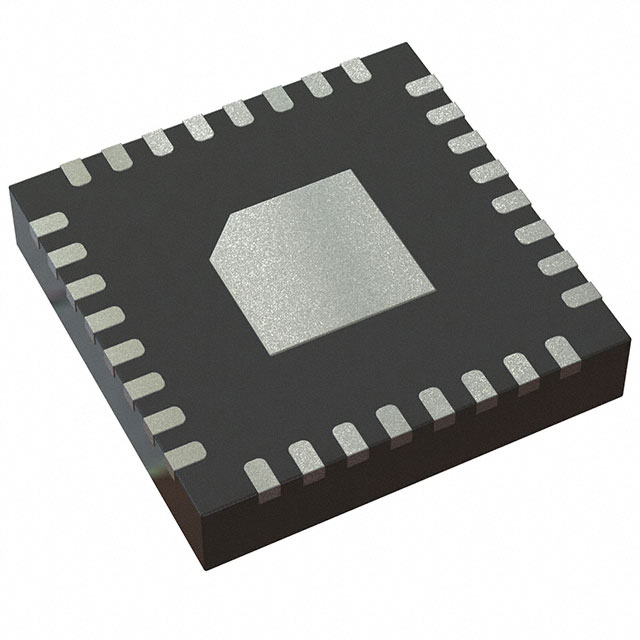
Small and Compact Package: Housed in a small and compact package, the SN65LV1023ARHBR is ideal for applications where space on the printed circuit board (PCB) is at a premium. This space - saving design allows for more components to be integrated into a limited area, enabling the development of smaller and more lightweight electronic devices.


 SN65LV1023ARHBR.pdf
